Urgent Response Protocols for Emergency Tree Services in Melbourne
Table Of Contents
The Role of Emergency Tree Technicians
In unexpected situations involving fallen or hazardous trees, emergency tree technicians play a critical role in the immediate response. Their main responsibility is to assess the condition of trees that pose a threat to public safety. They are trained to perform rapid evaluations, identifying which trees require urgent attention due to structural instability or potential for falling debris.
These technicians are equipped not only with the knowledge of tree biology but also with skills in crisis management. They often work collaboratively with local authorities to manage tree-related emergencies effectively. Their expertise ensures that the response is not only swift but also adheres to safety regulations, protecting both the environment and the community during distressing situations.
Skills and Training Required for Response Teams
Emergency tree technicians must possess a diverse skill set to effectively manage crisis situations. Proficiency in chainsaw operation is critical, ensuring that technicians can safely and efficiently dismantle hazardous trees. Additionally, understanding tree biology and structural integrity allows these professionals to assess damage accurately and determine the best course of action. Familiarity with rigging techniques plays a key role in safely lowering heavy branches without causing further harm to property or people nearby.
Training for these response teams often involves both formal education and practical experience. Many technicians complete courses in arboriculture and undergo specialised training in emergency response procedures. This combination equips them with the knowledge needed to navigate complex situations, including weather-related incidents and high-risk rescues. Regular drills and ongoing education ensure that skills remain sharp, enabling technicians to adapt to evolving challenges in emergency tree services.
Equipment Used in Emergency Tree Services
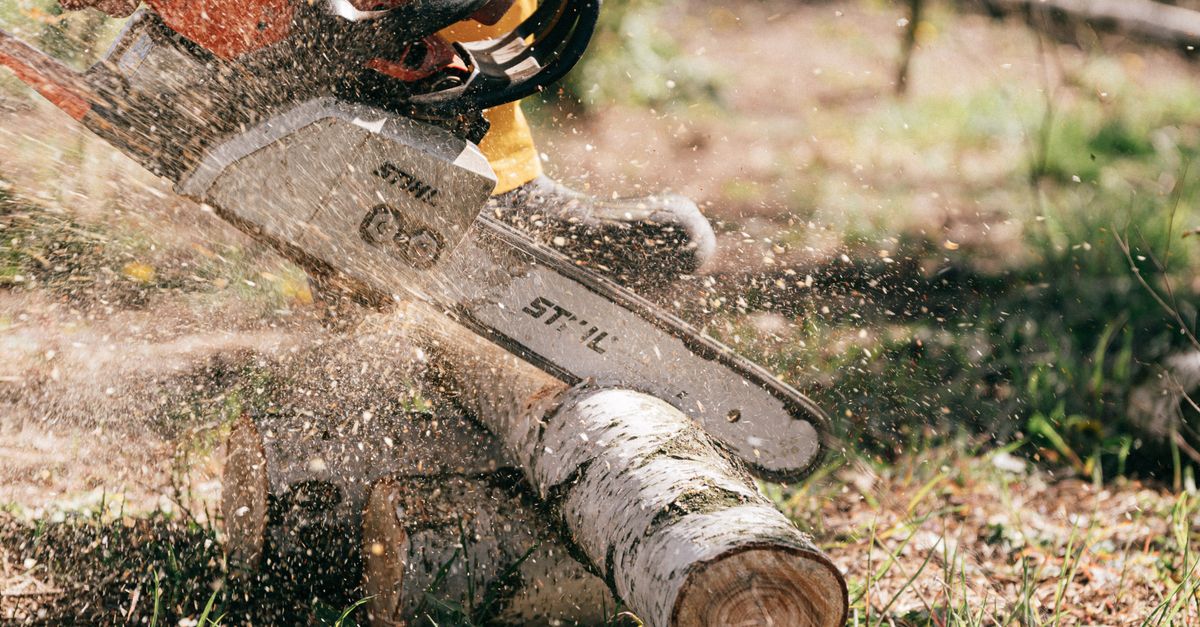
Emergency tree services rely on a range of specialised equipment to safely address tree-related hazards. Chainsaws are essential for cutting through branches and trunks, allowing technicians to manage fallen or hazardous trees effectively. Wood chippers are also frequently used to reduce debris, making clean-up efforts more efficient. Additionally, aerial lifts enable crews to access high branches or treetops safely, ensuring that technicians can work at height without compromising their safety.
Personal protective equipment (PPE) is critical in ensuring the safety of workers during operations. Hard hats, gloves, and safety goggles protect against falling debris and sharp tools. Harnesses and ropes are used for climbing and securing technicians in precarious positions, minimising the risk of falls. Further, first aid kits and fire extinguishers are standard in every emergency service vehicle, prepared for any unforeseen incidents that may occur during tree removal or trimming operations.
Essential Tools for Safe Operations
In emergency tree services, having the right tools at hand is crucial for effective and safe operations. Chainsaws are the primary equipment used to quickly and precisely cut through branches and trunks. These tools must be well-maintained to ensure optimal performance. Wood chippers are also essential for reducing debris, allowing for a cleaner and safer worksite. Personal protective equipment such as helmets, gloves, and eye protection ensures the safety of the technicians while they carry out their tasks.
Access equipment plays a significant role in tackling emergencies involving tall trees. Harnesses and ropes allow technicians to ascend safely and perform work in elevated areas. Ground protection mats can be utilised to safeguard turf and minimise damage to the landscape during heavy machinery operations. Portable radios enable clear communication among team members during high-pressure situations, enhancing coordination and efficiency. Through the use of these essential tools, teams can respond quickly and effectively to tree emergencies while prioritising safety.
Safety Measures During Tree Emergencies
Proper planning and training are vital to ensure safety during tree emergencies. Technicians must assess the situation carefully before taking any action to minimise risks. Communication among team members enhances coordination, allowing for clear instructions and shared responsibilities. Wearing appropriate personal protective equipment (PPE) such as helmets, gloves, and goggles is essential to shield workers from falling debris and sharp branches. Regular safety drills help familiarise teams with emergency protocols, ensuring they respond effectively under pressure.
It's crucial to evaluate the surroundings to identify potential hazards like power lines, unstable structures, or bystanders. Establishing a safe perimeter ensures that both the public and property remain protected during the operation. Technicians should always be aware of their environment, adjusting their approach based on shifting conditions. Continuous monitoring of weather and environmental factors can also influence safety strategies, allowing teams to act swiftly if circumstances change unexpectedly.
Protecting People and Property
Emergency tree services prioritise the safety of individuals and their property in areas affected by dangerous trees. Technicians assess the situation carefully before taking any action. This initial evaluation helps to identify risks such as falling branches or unstable trees. Clear communication with homeowners is vital during this process. Ensuring that residents are aware of potential hazards allows for better safety measures to be put in place while the emergency response unfolds.
Implementing safety protocols is critical for both the crew and bystanders. Technicians often set up exclusion zones to limit access to affected areas, reducing the risk of injury. Personal protective equipment (PPE) is worn at all times during operations. This includes helmets, gloves, and eye protection, safeguarding workers from potential hazards. Regular checks of equipment and emergency protocols contribute to a safer environment, protecting not only the technicians but also the surrounding community and property.
FAQS
What are emergency tree services?
Emergency tree services involve the rapid response and management of hazardous tree situations, such as fallen or damaged trees, to ensure safety for people and property.
How can I identify if a tree poses an emergency risk?
Signs of an emergency risk include visible damage to the tree, such as large cracks or splits, leaning trees, and trees that have fallen or are partially uprooted, especially during severe weather conditions.
What qualifications do emergency tree technicians have?
Emergency tree technicians typically have specialised training in arboriculture, chainsaw operation, and safety protocols. They often hold certifications and have experience in handling emergency situations.
What equipment is used by emergency tree services?
Essential equipment includes chainsaws, ropes, harnesses, chippers, and personal protective equipment (PPE) such as helmets, gloves, and goggles to ensure safe operations during emergencies.
What safety measures are in place during an emergency tree response?
Safety measures include assessing the site for hazards, using proper protective gear, securing the work area, and following established protocols to protect both the technicians and nearby individuals or property.
Related Links
How to Identify Tree Hazards Before an Emergency StrikesPreparing Your Home for Potential Tree Emergencies
Community Resources for Emergency Tree Services in Melbourne
The Importance of Year-Round Tree Health Monitoring for Emergencies
Emergency Tree Removal: What Homeowners Need to Know
How Emergency Tree Services Can Prevent Property Damage
Cost Factors in Emergency Tree Removal for Residential Properties
Choosing the Right Emergency Tree Service Provider in Your Area