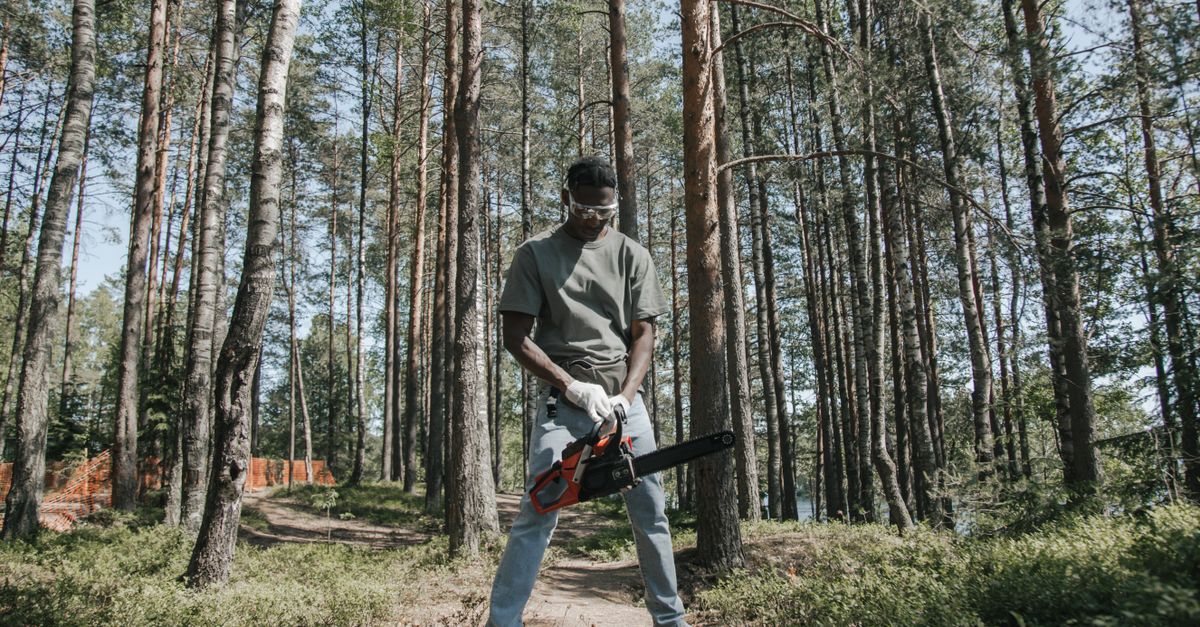
The Benefits of Regular Tree Trimming for Property Value
Table Of Contents
Improving Air Quality
Trees play a vital role in enhancing air quality, particularly in urban settings. They absorb carbon dioxide while releasing oxygen through the process of photosynthesis. This natural exchange significantly reduces the concentration of harmful pollutants in the air, benefiting both residents and the environment. Additionally, trees can capture dust, smoke, and other particles, effectively acting as natural filters that promote cleaner air for communities.
Beyond their immediate benefits, trees contribute to the overall health of urban ecosystems. Their presence can help mitigate the urban heat island effect, which occurs when cities become significantly warmer than surrounding areas due to human activities. By providing shade and increasing humidity, trees cool the atmosphere and create a more pleasant living environment. This cooling effect also reduces the need for air conditioning, leading to lower energy consumption and decreased emissions from power plants.
The Role of Trees in Urban Air Purification
Trees serve a vital function in urban environments by filtering pollutants and improving air quality. They absorb carbon dioxide and release oxygen, creating a healthier atmosphere for residents. Leaves capture dust, smoke, and other particulates, reducing harmful substances in the air. Additionally, trees play a role in mitigating the urban heat island effect by providing shade, which lowers temperatures in surrounding areas and further contributes to improved air quality.
In cities, the presence of trees not only beautifies the landscape but also enhances the overall livability of the space. Increased greenery encourages walking and outdoor activities, promoting a healthier lifestyle among community members. By improving air quality through their natural processes, trees foster a safer environment for everyone, thereby increasing the desirability and value of properties near them.
Extending Tree Lifespan
Regular maintenance plays a crucial role in the longevity of trees. By removing dead or diseased branches, it prevents the spread of infections that could compromise the overall health of the tree. Pruning also encourages new growth, ensuring that the tree remains vibrant and robust over the years. Healthy trees are more resilient to pests, diseases and environmental stressors, which contributes to their extended lifespan.
Consistent care can significantly impact a tree's ability to withstand harsh weather conditions. Well-maintained trees develop strong structures, making them less susceptible to wind damage and other environmental challenges. Furthermore, investing time and effort into proper pruning and maintenance leads to trees that not only thrive but also enhance the landscape, providing lasting benefits to property owners and the surrounding community.
The Long-Term Benefits of Consistent Care
Regular tree trimming plays a vital role in maintaining the overall health of trees, ensuring they remain robust and vibrant over the years. By removing dead, damaged, or diseased branches, homeowners can minimise the risk of infestations and diseases, which could otherwise compromise the tree's health. This proactive approach allows trees to focus their energy on new growth, leading to stronger canopies and a sturdier structure. Healthy trees have a greater ability to withstand harsh weather conditions, reducing the likelihood of property damage from fallen branches during storms.
In addition to enhancing the aesthetic appeal of a property, well-maintained trees contribute positively to the environment. A tree that receives regular care can grow larger and provide more shade, helping to lower ambient temperatures around buildings and creating a more comfortable outdoor space. This influence on temperature can translate into lower energy costs for homeowners, making consistent tree care a financially savvy choice. The longevity of trees also means ongoing benefits, such as increased property value and improved air quality, further demonstrating the importance of regular trimming and maintenance.
Boosting Energy Efficiency
Trees provide a natural buffer against heat and can significantly reduce energy consumption in residential properties. Strategically placed trees around a home cast shade on roofs and walls, which lowers the ambient temperature. This natural cooling effect can lead to decreased reliance on air conditioning during the warmer months. In turn, property owners may witness reduced electricity bills, thereby enhancing overall energy efficiency.
In addition to providing shade, trees help block cold winds in winter. This shielding effect can create a more stable internal environment, allowing homeowners to rely less on heating systems. The result is a more comfortable living space throughout the year and further reductions in energy costs. Adopting regular tree trimming ensures these benefits continue, as healthy, well-maintained trees are more effective in contributing to energy efficiency.
How Trees Can Help Regulate Home Temperatures
Strategically planted trees provide shade that can significantly reduce the amount of direct sunlight hitting a home. This natural barrier helps to lower indoor temperatures, resulting in less reliance on air conditioning systems during hot months. As a result, homeowners may find their energy bills decrease while maintaining a comfortable living environment.
In addition to cooling effects, trees can act as windbreaks during colder seasons. They help reduce drafts that may enter a property, thereby conserving heat. This dual functionality not only enhances comfort but also contributes to energy savings year-round, ultimately increasing the property’s overall value.
FAQS
How often should I have my trees trimmed for optimal health and property value?
It is generally recommended to have your trees trimmed at least once a year. However, the frequency may vary depending on the type of tree, its growth rate, and its specific health needs.
Can regular tree trimming really improve my property value?
Yes, regular tree trimming can enhance your property's aesthetic appeal and overall landscape health, which can positively impact its market value.
What are the signs that my trees need trimming?
Look for signs such as overgrown branches, dead or diseased limbs, branches touching your home, or if the tree is blocking sunlight to your garden.
Is it safe to trim trees myself, or should I hire a professional?
While minor trimming can be done by homeowners, it’s advisable to hire a professional arborist for larger trees or complex trimming to ensure safety and proper care.
How does tree trimming affect air quality?
Regular tree trimming helps maintain healthy trees, which in turn improves air quality by allowing better sunlight penetration and promoting greater leaf growth, enhancing their ability to filter air pollutants.
Related Links
The Impact of Improper Tree Pruning on Tree HealthSafety Considerations When Pruning Trees in Residential Spaces
Understanding the Different Pruning Methods for Urban Trees
Best Practices for Pruning Fruit Trees in Residential Areas
The Role of Tree Pruning in Promoting Urban Biodiversity