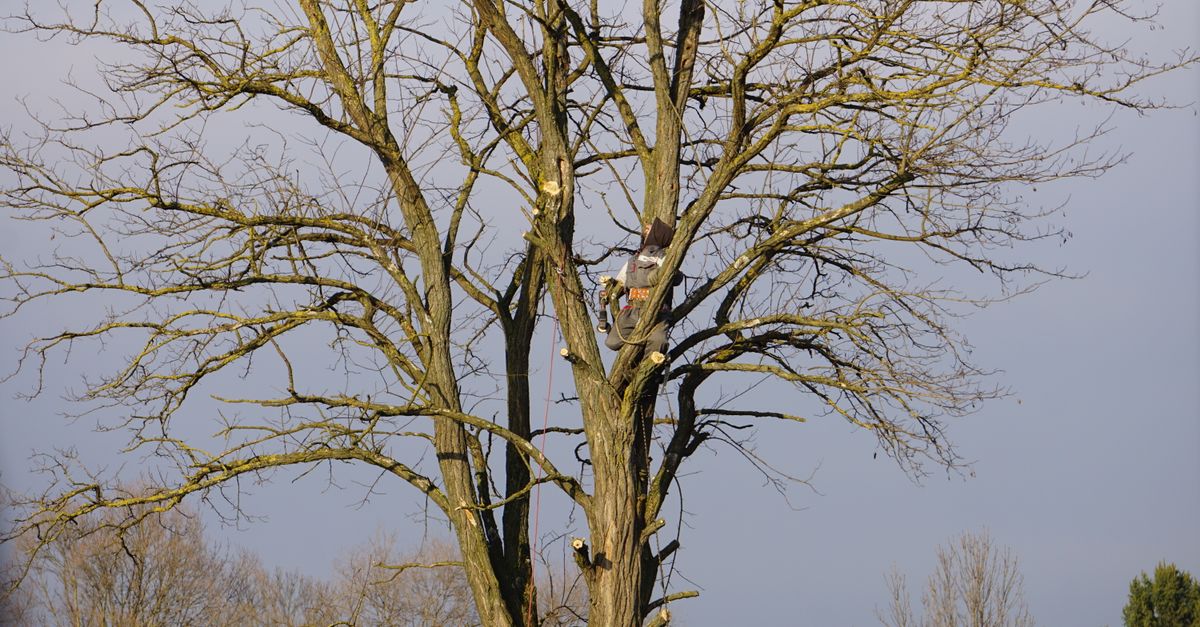
Step-by-Step Guide to Safe Tree Removal at Home
Table Of Contents
Preparing the Area for Safe Removal
Before initiating any tree removal process, a thorough assessment of the area is essential. Identify the tree's proximity to structures, power lines, and other vegetation. Consider the direction in which the tree is likely to fall, taking note of any surrounding obstacles that could pose a risk. Ensuring a clear escape route is crucial for safety during the removal process. This preparation allows for a more controlled approach and minimises potential hazards.
Once the assessment is complete, start by clearing the surrounding space of any debris, furniture, or garden equipment. Remove any low-hanging branches that may interfere with your work or pose a risk during the cutting process. Creating a designated work zone prevents distractions and helps maintain focus. Equip the area with necessary safety gear, such as helmets and goggles, ensuring all participants are aware of their roles and responsibilities. This level of preparation sets the foundation for a successful and safe tree removal operation.
Clearing the Surrounding Space
Before beginning the tree removal process, it is crucial to ensure that the surrounding area is adequately cleared. This means removing any debris, such as branches, leaves, and other obstacles that might hinder the safe movement and working space of all involved. Additionally, it is wise to create a safety perimeter. This allows ample room for the tree to fall and provides a safe distance for any onlookers. Marking the area with cones or flags can help to alert others of the potential hazards during the removal.
Evaluating the location of any nearby structures and plants is also important. Keep an eye on power lines, fences, and nearby trees, as these can complicate the removal process and pose safety risks. If there are valuable plants around the tree that can be damaged, consider fencing them off or relocating them temporarily. Once the space is clear and marked, you will have a safer environment to work in, significantly reducing the risk of accidents during tree removal.
Techniques for Cutting Down a Tree
Cutting down a tree requires careful planning and technique to ensure safety and effectiveness. Start by assessing the tree’s lean and surrounding obstacles, as this will influence the angle and method of your cut. Always aim to use proper equipment, such as a chainsaw or handsaw, depending on the tree's size. A felling wedge can be useful to guide the tree in the desired direction during the fall.
One effective method is the notch cut, which involves creating a notch in the side of the tree facing the direction you want it to fall. This cut should start about a third of the way into the trunk. Next, make the back cut from the opposite side, slightly higher than the bottom of the notch. This technique creates a hinge that guides the tree as it falls. Always maintain a safe distance to avoid injuries when the tree begins to tip.
Step-by-Step Cutting Methods
Before beginning the cutting process, identify the direction in which you want the tree to fall. This will influence your cutting strategy. Start by making a notch cut on the side of the tree facing the desired fall direction. The notch cut should be about one-third of the tree’s diameter. Make a horizontal cut followed by an angled cut above it, creating a wedge shape. This helps guide the tree as it starts to fall.
Once the notch is complete, move to the opposite side of the tree to make the felling cut. This cut should be slightly above the bottom of the notch and parallel to the ground. As you make this cut, monitor the tree closely. Be ready to move away from the fall zone once significant movement begins. Ensure your escape route is clear and positioned at an angle away from the direction of the fall.
Safely Removing Tree Stumps
Once the tree is down, the stump remains as a reminder of your efforts. Removing the stump can be as crucial as felling the tree itself. You have several options to choose from, depending on your needs and the equipment available. Manual removal is a straightforward method, requiring tools like a spade, an axe, and a saw. This process involves digging around the stump to expose the roots before severing them and uprooting the stump.
Alternatively, chemical solutions offer a less labour-intensive approach. These products accelerate the decomposition of the stump over time. It’s essential to follow the manufacturer's instructions carefully. For those looking for immediate results, a stump grinder is a powerful option that can quickly grind the stump down below ground level. Using a grinder can be a more expensive route but saves time and effort while ensuring complete stump removal.
Options for Stump Removal
After successfully cutting down the tree, dealing with the stump is the next step. One option is to use a stump grinder, a powerful machine designed specifically to grind stumps into wood chips. This method is efficient and can clear the area quickly. Home improvement stores often rent out these grinders, and with proper handling, they can simplify the removal process while ensuring safety.
Another approach is to dig out the stump manually. This requires more physical labour but can be effective for smaller stumps. Using a shovel or spade, the soil around the stump is carefully excavated. Once enough dirt is removed, it may be easier to cut any exposed roots with a saw. This option is time-consuming but allows for better control over the removal and is environmentally friendly as it avoids machinery.
FAQS
What is the first step I should take before removing a tree?
The first step is to prepare the area for safe removal by clearing the surrounding space of any obstacles, such as furniture, vehicles, or debris, to ensure a safe working environment.
Are there specific techniques for cutting down a tree?
Yes, there are several techniques for cutting down a tree, including the notch cut method and the back cut method. Each technique has its own steps and safety precautions, which should be carefully followed.
How can I safely remove a tree stump after cutting down a tree?
There are several options for stump removal, including grinding the stump down, using chemicals to accelerate decay, or manually digging it out. Choose the method that best suits your needs and skill level.
Do I need any special equipment for tree removal?
Yes, you will need specific equipment such as a chainsaw, safety gear (gloves, goggles, hard hat), and possibly a stump grinder or other tools depending on the method of removal you choose.
Is it necessary to hire a professional for tree removal?
While some homeowners may feel confident in removing a tree themselves, it is often safer and more efficient to hire a professional, especially for larger trees or those near structures or power lines.
Related Links
Criteria for Safe Tree Removal in Residential AreasThe Role of Arborists in Assessing Tree Hazards
The Importance of Regular Tree Inspections for Homeowners
Best Practices for Safe Tree Cutting Techniques
Legal Considerations for Removing Hazardous Trees in Melbourne
When to Call in Professionals for Dangerous Tree Removal