Incorporating Fruit Trees into Your Residential Landscape
Table Of Contents
Watering and Irrigation Strategies
Effective watering is crucial for the health of fruit trees, especially during their establishment phase. Young trees require consistent moisture to develop strong root systems. It is essential to water deeply and infrequently, encouraging roots to grow downward rather than remaining near the surface. A drip irrigation system can be beneficial, delivering water directly to the root zone and reducing evaporation. Regular monitoring of soil moisture levels helps determine when additional watering is necessary.
Mulching around the base of fruit trees is another key strategy for maintaining moisture. Organic materials, such as wood chips or straw, can help retain soil moisture while also suppressing weeds. It is important to ensure that the mulch does not touch the tree trunk to prevent rot. During dry periods, checking the mulch layer is advisable, topping it up if needed. Additionally, avoiding overhead watering can help prevent fungal diseases that thrive in damp conditions.
Effective Water Management Practices
Providing adequate water to fruit trees requires understanding their specific needs based on the species and local climate. Deep watering is essential as it encourages roots to grow downward, enhancing their drought resistance. Implementing a system of mulch around the base of the trees can help retain moisture, reduce evaporation, and suppress weeds, which compete for water and nutrients.
Regularly monitoring soil moisture levels can inform irrigation practices. A simple way to check is to dig a small hole near the root zone to assess moisture content. Drip irrigation systems offer the benefit of delivering water directly to the roots while minimising waste. Watering early in the morning or late in the afternoon is ideal to reduce evaporation and ensure that each tree receives sufficient moisture.
Pruning and Maintenance Tips
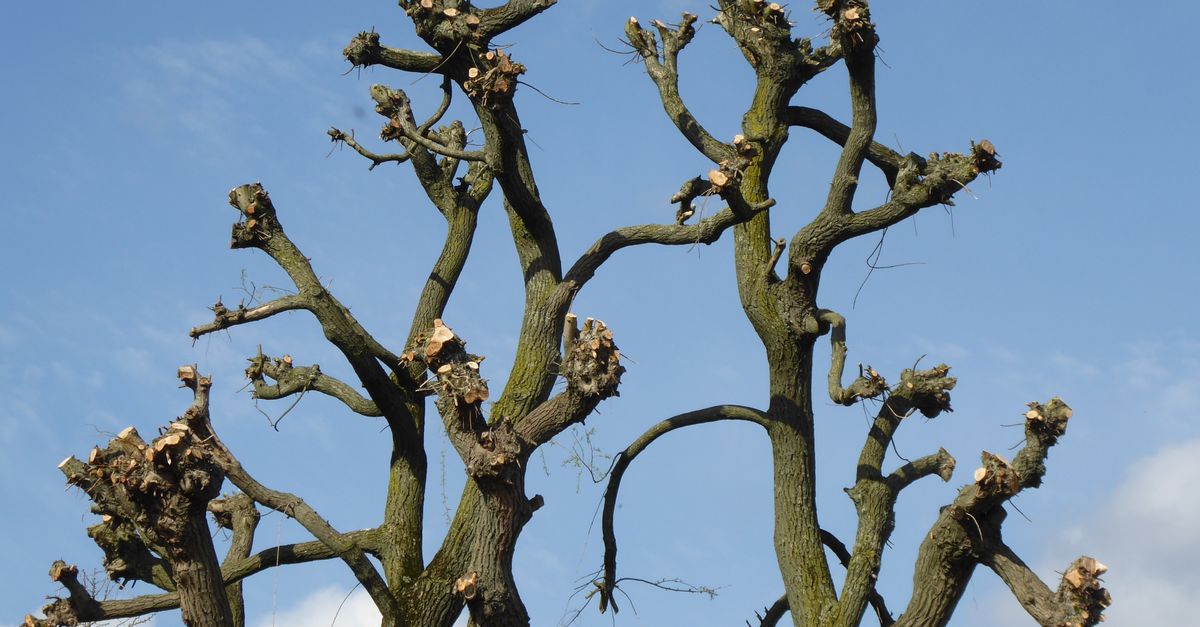
Regular pruning is essential to encourage healthy growth and maintain the shape of your fruit trees. Removing dead or overcrowded branches allows sunlight to penetrate the tree canopy, promoting even ripening of fruits. Early spring is often the best time for pruning, as this is when trees are still dormant but ready to rejuvenate. Care should be taken not to over-prune, as this can stress the tree and reduce fruit production. Providing a sharp pair of secateurs will ensure clean cuts, which helps prevent disease introduction.
In addition to pruning, ongoing maintenance practices will support the vitality of fruit trees. Mulching around the base can help retain soil moisture and deter weeds, while regular fertilisation with organic compost provides essential nutrients. Monitoring for signs of disease and deficiencies is important; yellowing leaves may indicate a nutrient imbalance. Establishing a protective barrier can also shield young trees from pests. By staying attentive to the needs of your trees throughout the year, you can foster an environment conducive to robust growth and fruitful harvests.
Best Practices for Healthy Growth
Fostering healthy growth in fruit trees requires attention to their unique biological needs. Soil quality plays a pivotal role; well-draining, nutrient-rich soil supports robust root systems. Regular soil testing can identify deficiencies, allowing for the appropriate amendments to be made. Mulching around the base of the trees conserves moisture and suppresses weeds, creating a healthier growing environment. Effective watering techniques, such as deep watering less frequently, encourage deep root growth, ensuring trees are more drought-resistant.
In addition to soil and water practices, proper pruning techniques contribute significantly to a tree's vitality. Pruning helps shape the tree and promotes airflow between branches, which can prevent fungal diseases. Early spring is typically the ideal time for pruning, as trees are still dormant. Maintaining a consistent fertilisation schedule throughout the growing season also enhances tree health. Using organic fertilisers can improve soil microbiology while delivering essential nutrients to the trees. Balanced care practices lead to better yields and a more resilient landscape.
Pest and Disease Management
Managing pests and diseases in fruit trees requires vigilance and timely intervention. Regular inspections can help identify problems early, allowing for quick action. Look for signs of infestation, such as discoloured leaves or unusual spots. Healthy trees can better withstand pests, so maintaining their overall health is crucial.
Utilising organic solutions can effectively control common issues without harming beneficial insects. Neem oil and insecticidal soap provide safe alternatives for pest management. Encouraging natural predators like ladybugs can help maintain a balanced ecosystem in your garden. Additionally, rotating crops and ensuring good airflow around trees can reduce the risk of disease, promoting a thriving environment for your fruit trees.
Organic Solutions for Common Issues
A range of organic solutions effectively addresses common pest and disease issues in fruit trees. Neem oil serves as a natural pesticide that can control aphids, mites, and other pests. It’s safe for beneficial insects when applied correctly. Diatomaceous earth acts as a barrier against crawling insects, while a soap spray can help eliminate soft-bodied pests. Regular monitoring of trees allows for early detection of problems, making it easier to intervene with natural methods.
Disease can also be managed through organic practices. Ensuring good air circulation around the trees reduces humidity, subsequently minimising fungal diseases. Companion planting offers additional support; for instance, marigolds can deter nematodes and attract beneficial insects. Natural fungicides made from ingredients like baking soda can prevent powdery mildew without harming the environment. These practices promote a healthier ecosystem within your landscape while securing the vitality of your fruit trees.
FAQS
What types of fruit trees are best for residential landscapes in Australia?
Some of the best fruit trees for residential landscapes in Australia include citrus trees, apple trees, peach trees, and fig trees. It's important to consider your local climate and soil conditions when selecting the right tree for your garden.
How often should I water my fruit trees?
It’s generally recommended to water fruit trees deeply once a week, depending on the weather and soil conditions. Young trees may require more frequent watering, while established trees may need less.
When is the best time to prune fruit trees?
The best time to prune fruit trees is during the dormant season, typically in late winter or early spring before new growth begins. This helps to encourage healthy growth and fruit production.
What are some organic methods for managing pests on fruit trees?
Organic methods for pest management include using neem oil, insecticidal soap, and diatomaceous earth. Additionally, introducing beneficial insects such as ladybugs can help keep pest populations under control.
How can I ensure my fruit trees remain healthy and productive?
To ensure healthy and productive fruit trees, follow best practices such as proper watering, regular pruning, and monitoring for pests and diseases. Providing adequate nutrients through organic fertilisers and ensuring good air circulation around the trees will also promote their health.
Related Links
The Role of Community Engagement in Tree Planting InitiativesChoosing the Right Native Trees for Your Melbourne Garden
Understanding the Growth Requirements of Replacement Trees
Seasonal Considerations for Tree Planting in Melbourne
Best Practices for Transitioning from Old to New Trees
Environmental Benefits of Tree Replacement in Urban Settings
How to Select the Best Location for New Trees