Equipment and Techniques Used in Construction Tree Removal
Table Of Contents
Stump Removal Tools and Techniques
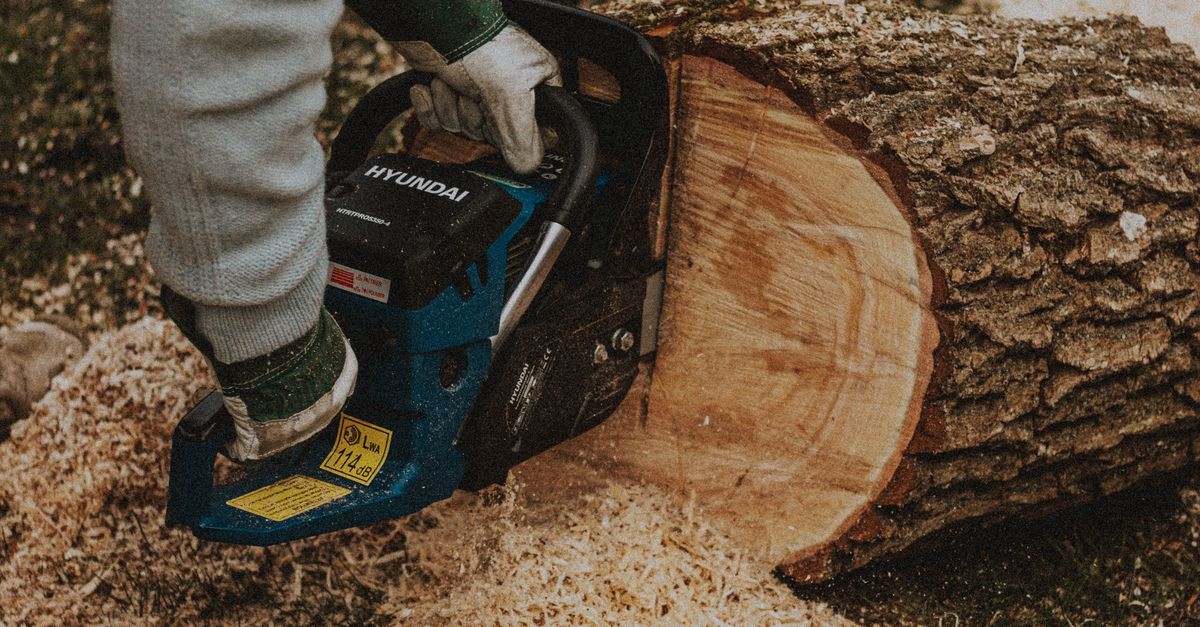
Various tools and techniques are essential for effective stump removal, ensuring that sites are cleared for new landscaping or construction projects. The process typically begins with assessing the stump’s size and root system, which will determine the most suitable method for removal. Chainsaws are often employed to cut the stump as low as possible to the ground. Following this, other equipment may include digging tools or specialized machinery to uproot the remaining root structure.
The use of stump grinders has gained popularity due to their efficiency and effectiveness. These machines can quickly grind down the stump below ground level, turning it into wood chips that can be repurposed or removed. Manual techniques, such as using pry bars and chisels, remain an option for smaller stumps or sensitive environments where heavy machinery cannot be utilised. Each method carries its own benefits and considerations, depending on the specific needs of the job.
Stump Grinders
Stump grinders are powerful machines designed to eliminate tree stumps by grinding them down into wood chips. These machines feature a rotating blade that efficiently cuts away the stump, allowing for effective removal without disturbing the surrounding soil or landscape. Different sizes cater to various types of jobs, making them suitable for both residential and commercial use. Operators should be trained to ensure safety during operation, especially when working in close proximity to structures or utilities.
Using a stump grinder offers several advantages over traditional digging methods. The process is much quicker and minimizes physical labour, which can be especially beneficial in tight or hard-to-reach areas. Stump grinders leave behind a pile of mulch, which can often be repurposed in gardens or landscaping projects. This dual function of stump removal and waste management appeals to many property owners looking for efficient and environmentally friendly solutions.
Leaf and Debris Management After Removal
Proper management of leaves and debris following tree removal is crucial for maintaining a clean and safe environment. After a tree has been cut down, piles of leaves and branches can create hazards if left unattended. It is necessary to promptly collect and dispose of this organic waste to prevent issues such as pest infestations or potential accidents. Professionals often use blowers or rakes for effective collection, ensuring that all fragments are gathered efficiently for disposal or recycling.
Utilising equipment like wood chippers can facilitate the recycling of larger branches and trunks. Chippers break down material into mulched pieces, which can be repurposed for landscaping or garden beds. This process not only reduces waste but also promotes sustainability by turning what could be considered rubbish into valuable mulch. Proper disposal methods are essential, and local regulations often dictate how organic waste should be handled, making it important for tree removal experts to stay informed about best practices.
Mulching and Chipping Equipment
Effective management of leaf and branch debris following tree removal heavily relies on mulching and chipping equipment. These machines help in processing large volumes of organic waste, making it more manageable for disposal or reuse. Chippers shred branches and limbs into small pieces, while mulchers break down leaves and small debris into fine mulch. This mulch can serve various purposes, such as soil enhancement in gardens or landscaping projects, reducing the need for chemical fertilisers.
The versatility of these tools is a significant advantage for both professional tree removal services and DIY enthusiasts. Various models and sizes of chippers and mulchers cater to different job scales, allowing users to select equipment that best matches their specific needs. Electric and gasoline-powered versions offer options for various working environments, ensuring efficiency while adhering to operational preferences. Additionally, many municipalities encourage mulch recycling, making these machines even more valuable in sustainable waste management practices.
The Role of Aerial Lifts in Tree Removal
Aerial lifts play a significant role in the process of tree removal, especially in situations involving tall or unwieldy trees. These machines provide access to elevated areas, allowing workers to safely prune branches or cut down the trunk from above. Using an aerial lift reduces the risk of accidental damage to surrounding property and minimises the likelihood of injury by keeping operators at a safe distance from the ground.
Different types of aerial lifts, such as cherry pickers and boom lifts, are commonly utilised because of their flexibility and manoeuvrability. While working at height, operators benefit from a stable platform that allows them to concentrate on their task without the need to rely on ladders or scaffolding. This efficiency not only streamlines the removal process but also enhances safety for those involved in the operation.
Benefits of Using Cherry Pickers
Cherry pickers provide a highly efficient means of accessing trees at significant heights while ensuring the safety of workers. These aerial lifts allow for precise positioning, enabling operators to work directly at the required elevation without the need for dangerous climbing or scaffolding. The stability offered by cherry pickers reduces the risk of accidents, making them a preferred choice for tree removal tasks where height restrictions apply.
Another advantage of cherry pickers is their versatility across various construction and landscaping projects. They can be used for not only tree removal but also maintenance tasks, such as pruning and trimming branches. Their ability to extend and retract gives them a flexibility that traditional ladders or climbing gear cannot match, allowing workers to perform detailed tasks efficiently. This multipurpose functionality often results in time and cost savings for contractors.
FAQS
What are the most common tools used for stump removal?
The most common tools for stump removal include stump grinders, digging bars, and chainsaws. Stump grinders are particularly effective as they use rotating blades to grind the stump down to below ground level.
How does a stump grinder work?
A stump grinder works by using a rotating disk with sharp blades that grind the stump into small wood chips. The operator positions the grinder over the stump and lowers the blade into it, gradually grinding away the stump until it is level with the ground.
What methods are used for managing leaves and debris after tree removal?
After tree removal, leaves and debris can be managed using mulching and chipping equipment. These machines break down branches and leaves into smaller pieces, which can then be used as mulch or disposed of easily.
What is a cherry picker, and how is it used in tree removal?
A cherry picker is an aerial lift that allows workers to reach high branches safely. It consists of a platform or bucket mounted on an extendable arm, enabling precise manoeuvring for cutting or trimming trees at height during removal.
What are the benefits of using aerial lifts for tree removal?
The benefits of using aerial lifts, such as cherry pickers, include increased safety for workers, improved access to higher branches, enhanced precision during cutting, and reduced risk of damage to surrounding structures or plants.
Related Links
Safety Protocols for Tree Removal in Construction EnvironmentsBest Practices for Tree Removal in Urban Construction Sites
Timing Considerations for Tree Removal Prior to Construction
Case Studies on Effective Tree Removal for Large Scale Projects
The Role of Arborists in Construction-Related Tree Removal