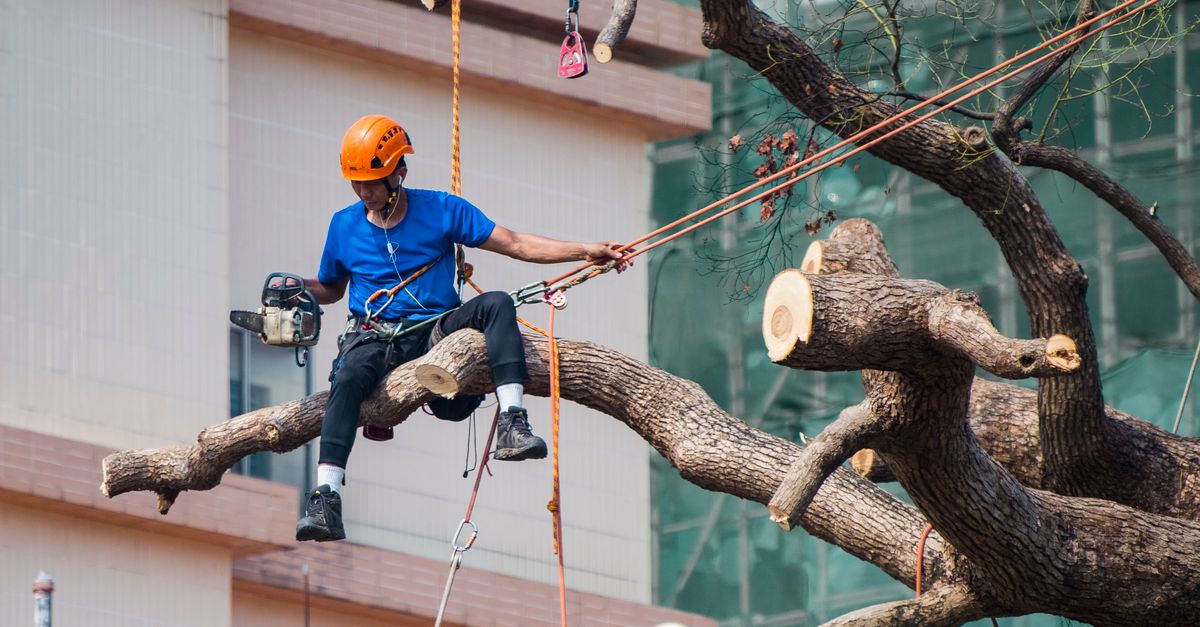
Effective Strategies for Handling Storm-Damaged Trees in Commercial Settings
Table Of Contents
Restoration of Undamaged Trees
After a storm has passed, it is crucial to evaluate the condition of undamaged trees within commercial properties. A thorough assessment involves checking for injuries such as broken branches, bark damage, or root exposure. Professional arborists can offer insights on whether the trees require pruning, bracing, or other restorative techniques. Addressing minor damages promptly can prevent decay and promote healthy growth, ensuring that these trees remain viable assets to the landscape.
Once assessment is completed, the restoration process can begin. Appropriate pruning techniques should be employed to remove any damaged limbs, which helps to maintain the tree’s structure and aesthetics. If the tree has substantial wounds, applying beneficial treatments can protect it from pests and diseases. Regular monitoring and care will facilitate recovery, allowing these trees to thrive in their environment while enhancing the overall appeal of the commercial space.
Support Systems for Structural Integrity
Creating a strong support system for trees that have survived severe storms is essential in ensuring their long-term stability and health. Bracing with cables, rods, or other structural aids can help correct lean and provide support to trees with compromised root systems. Installing these systems requires careful assessment of the tree's specific needs, taking into consideration its size and structural integrity. The proper use of materials can prevent further damage during adverse weather conditions, enabling trees to recover and thrive in their environment.
Regular monitoring of the support systems is crucial for maintaining their effectiveness. Adjustments may be necessary as the tree grows and recovers from damage. It is also important to assess the condition of the tree regularly, looking for signs of stress or decay that could affect its stability. By providing ongoing care and ensuring that support systems are correctly utilised, tree health can be optimised, allowing them to serve their purpose in commercial landscapes.
Preventative Measures for Future Storms
Incorporating strategic tree selection and placement can significantly reduce the risk of damage during severe weather events. Choosing native species that are well-adapted to the local climate ensures resilience against wind and storm forces. Additionally, considering the spacing between trees allows for adequate airflow and reduces the risk of branches colliding during high winds, which can lead to broken limbs or tree failures.
Establishing a proactive approach to landscape design is essential. This includes planting trees away from buildings and infrastructure to minimise potential impacts if they do succumb to storm damage. Utilising windbreaks, such as hedges or shrubs, can provide protection for more vulnerable plants. Proper planning not only enhances the overall aesthetics of a commercial property but also ensures a safer environment during adverse weather conditions.
Tree Selection and Placement Strategies
Choosing the right tree species is crucial for minimising storm damage in commercial settings. Native species often offer enhanced resilience compared to non-native varieties, as they have adapted to local environmental conditions. It is advisable to consult local horticultural experts to ensure selection aligns with regional climate and soil conditions. Diverse planting can further contribute to a robust landscape, reducing the risk of widespread loss during adverse weather events.
The placement of trees also plays a significant role in their survivability during storms. Trees should be situated with adequate spacing to allow for growth and airflow, which can help reduce wind resistance. Strategic positioning away from buildings, high traffic areas, and utility lines is important to minimise the risk of property damage. Moreover, considering the tree's mature size will aid in preventing future conflicts with infrastructure, ensuring a safer environment for all users of the commercial space.
Maintenance of Healthy Trees Post-Storm
After experiencing storm damage, trees require careful attention to ensure they recover successfully. Assessing the extent of the damage is crucial. This includes checking for broken branches, bark injuries, or root displacement. Addressing these issues promptly can prevent further decline. Regular inspections will help monitor their health throughout the recovery process.
Proper nutrient management plays a vital role in the recovery of storm-damaged trees. Applying appropriate fertilisers can enhance growth and support healing. In addition, maintaining a consistent watering schedule is essential, as stressed trees often struggle to take up water efficiently. Mulching around the base can help retain moisture and regulate soil temperature, ultimately fostering a more conducive environment for recovery.
Nutrient Management and Watering Techniques
After a storm, trees may suffer from stress due to their damaged environments. Applying appropriate nutrients becomes essential to help them recover. A balanced fertiliser can promote growth and enhance resilience against future weather events. Pay attention to soil quality and consider testing its nutrient levels. This ensures that any amendments made are specific to the needs of the tree and its growing conditions.
Watering techniques should also be adjusted in the aftermath of a storm. Deep watering encourages healthy root systems, allowing trees to access moisture efficiently during dry spells. Use soaker hoses or drip irrigation systems to maintain consistent moisture without waterlogging. Monitoring rainfall patterns helps determine additional watering needs while considering drainage to prevent roots from sitting in excess water.
FAQS
What should I do first if a tree on my commercial property has been damaged by a storm?
The first step is to assess the damage. Check for fallen branches, structural integrity, and any signs of root damage. If the tree poses a safety risk, contact a professional arborist for assistance.
How can I support undamaged trees to ensure their structural integrity after a storm?
Using support systems like braces or cables can help stabilise trees that have been stressed but not damaged. Consult with an arborist to determine the best support methods appropriate for the specific tree species and condition.
What preventative measures can I take to protect my trees from future storms?
Implement tree selection and placement strategies that consider the species’ resilience to storms, as well as their location and spacing. Regular maintenance, such as pruning and removing weak branches, can also help reduce storm damage.
How can I maintain the health of trees after a storm?
Post-storm maintenance includes proper nutrient management and watering techniques. Assess the soil quality and provide appropriate fertilisers, while ensuring consistent watering to support recovery.
When should I consider removing a storm-damaged tree?
A tree should be evaluated for removal if it has significant structural damage, is leaning dangerously, or if its root system is compromised. An arborist can provide a thorough assessment to determine if removal is necessary.
Related Links
How to Choose the Right Emergency Tree Service for Your BusinessSafety Protocols for Emergency Tree Removal in Urban Areas
The Role of Professional Arborists in Emergency Tree Situations
Preparing Your Business for Tree Emergencies: A Comprehensive Guide
Understanding the Costs Associated with Emergency Tree Services
Case Studies of Successful Emergency Tree Removals in Melbourne