Comparing DIY Versus Professional Stump Grinding Services
Table Of Contents
Tools Required for DIY Stump Grinding
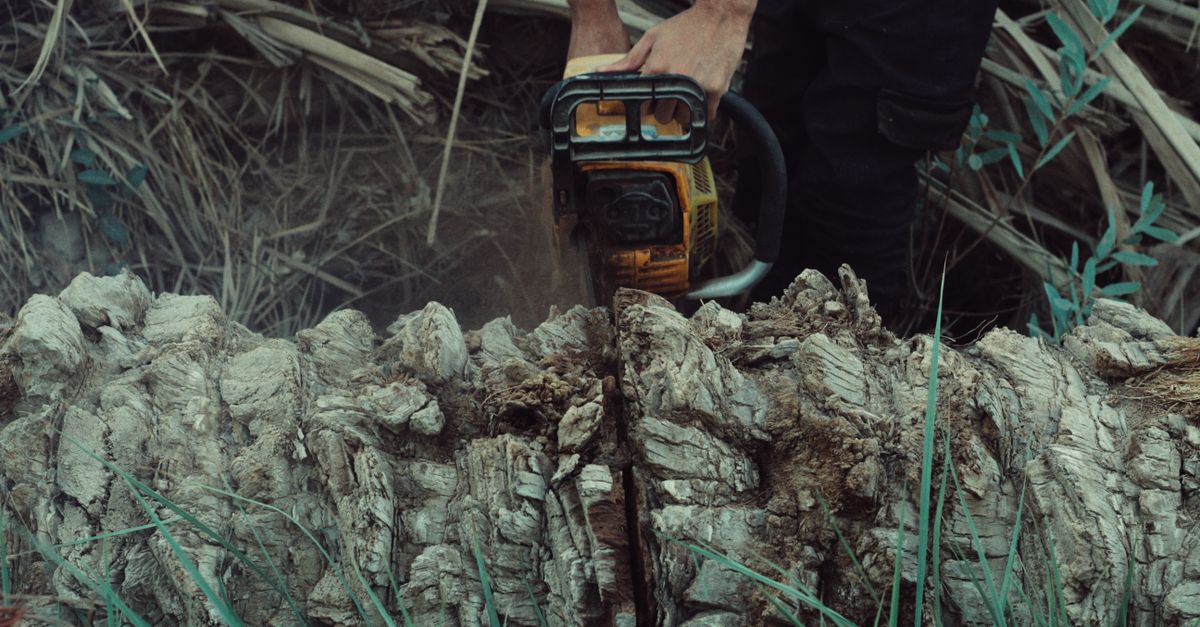
When embarking on a DIY stump grinding project, the right tools are crucial for success. A chainsaw is essential for cutting the stump down to a manageable height. It should be followed by a stump grinder, which is designed specifically for grinding down the remaining stump and roots. These machines can be rented from local hardware stores and come in various sizes, making them suitable for different stump sizes. Safety gear, including gloves, goggles, and ear protection, is also vital to protect against flying debris and noise.
In addition to the primary equipment, having a few auxiliary tools can make the job easier. A shovel will help remove dirt from around the stump, allowing for better access and more efficient grinding. An axe may also be useful for chopping away smaller roots. A rake ensures that the area is tidy after the grinding is completed. Proper preparation and the right tools can significantly improve the efficiency and safety of the stump grinding process, making it a more manageable task for homeowners.
Essential Equipment and Their Uses
When taking on a DIY stump grinding project, having the right equipment is crucial for efficiency and safety. A chainsaw can be employed to cut the stump down to a manageable height, making subsequent grinding easier. A stump grinder is the primary tool for the job, featuring sharp carbide-tipped teeth for powerful grinding. This machine comes in various sizes, so selecting one based on the stump’s diameter and accessibility is essential. Protective gear, including gloves, goggles, and ear protection, should not be overlooked to ensure safety during the grinding process.
Additionally, using a shovel and rake will help in cleanup after the grinding is completed. These tools assist in removing wood chips and debris from the area, leaving a cleaner workspace. A pick or mattock can be handy for excavating roots that might be left behind. If the job involves multiple stumps or larger ones, a heavy-duty trailer may also be necessary to transport equipment to and from the site. By understanding the equipment needed, individuals can better prepare for a successful stump grinding endeavour.
Assessing the Size of the Stump
Determining the size of a stump is critical when deciding whether to tackle the removal yourself or hire a professional. Smaller stumps can often be managed with basic tools and techniques, making DIY a viable option for many homeowners. Stump diameter is an important measurement; generally, stumps under a foot wide are more manageable and can often be ground down efficiently without heavy machinery. However, any stump that exceeds this size could quickly become a labour-intensive project, requiring specialized equipment and expertise.
Height is another essential factor in assessing a stump's size. A tall stump can present additional challenges, particularly if it has deep roots extending into the ground. In such instances, the depth of the roots may hinder amateur attempts at removal, potentially leading to further complications. Evaluating the proximity of the stump to structures, fences, or other plants is also necessary. Close obstacles can restrict access for equipment, increasing the risk of damaging surroundings during removal efforts.
When to Consider Professional Help
When dealing with large or stubborn stumps, opting for professional assistance is often the best course of action. Experts bring specialised knowledge and tools designed to handle substantial root systems without causing damage to surrounding areas. This becomes particularly important when the stump is located near utilities or infrastructure, where the risk of damaging underground pipes or cables is significant.
Additionally, individuals may lack the physical capabilities or time required for effective stump removal. The process can be labour-intensive and may necessitate heavy equipment that is not readily available to the average homeowner. Hiring professionals ensures the job is carried out safely and efficiently, allowing for peace of mind as the work is performed by trained technicians.
Environmental Considerations
Stump grinding can influence the local ecosystem in various ways. The process generates wood chips and debris that can decompose, providing organic material to the soil. However, inappropriate disposal of this waste can lead to issues such as nutrient imbalance or attracting pests. It is vital to consider the potential ecological impact before beginning the grinding process, as different environments may react uniquely to the disturbance.
When assessing environmental factors, it's also important to examine the surrounding plants and wildlife. Disturbing the root systems of nearby flora can lead to unintended consequences, such as disruption of nutrient supply or increased vulnerability to disease. Additionally, wildlife habitats may be affected, particularly if trees were home to birds or small animals. Practising careful planning and consideration will help mitigate negative effects on the environment.
Impact on Soil and Surrounding Plants
Stump grinding can significantly affect the soil and surrounding vegetation. The process often involves removing a large portion of the tree stump and roots, which can disrupt the natural balance of nutrients in the soil. When a stump is ground down, the organic matter left behind starts to decompose, leading to changes in soil structure and fertility. This alteration may favour certain plant species while disadvantaging others, potentially impacting local biodiversity.
Moreover, nearby plants may suffer from reduced competition for resources immediately after stump removal. However, this can also create stress for existing flora if the ground becomes compacted or disturbed during the grinding process. The removal of roots may expose the soil to erosion and nutrient leaching, particularly in the absence of proper care or replanting. It is essential to consider these ecological factors when deciding between DIY stump grinding and hiring professionals, as expert services might take additional measures to mitigate these impacts.
FAQS
What tools are necessary for DIY stump grinding?
For DIY stump grinding, you'll need a stump grinder, safety gear (such as goggles, gloves, and ear protection), and potentially a chainsaw for cutting larger stumps beforehand.
How do I assess the size of a stump to determine if I can grind it myself?
To assess the size of a stump, measure its diameter and height. If it's larger than about 30 cm in diameter or deeply embedded, it may be best to consider professional help.
What are the environmental considerations when grinding a stump?
Grinding a stump can impact the surrounding soil and plants. It’s important to consider the effects on nearby roots, soil erosion, and the potential for pests or diseases to spread.
When should I opt for professional stump grinding services instead of doing it myself?
You should consider professional help if the stump is particularly large, if you lack the necessary equipment, or if you are unsure about safely performing the task.
Are there any long-term effects on my garden from stump grinding?
Yes, stump grinding can have long-term effects on your garden, including changes to soil composition and potential disruption to nearby plants' root systems. It’s important to plan for replanting or soil amendments afterwards.
Related Links
The Importance of Stump Removal After Tree FellingBest Practices for Stump Removal at Home
Environmental Benefits of Stump Removal in Urban Gardens
Signs You Need Professional Help for Stump Removal
Top Stump Grinding Equipment for Residential Use
Safety Considerations When Grinding Stumps at Home
Factors Affecting Stump Grinding Costs in Residential Areas
How to Choose the Right Stump Grinding Company in Melbourne
Understanding the Stump Grinding Process in Melbourne